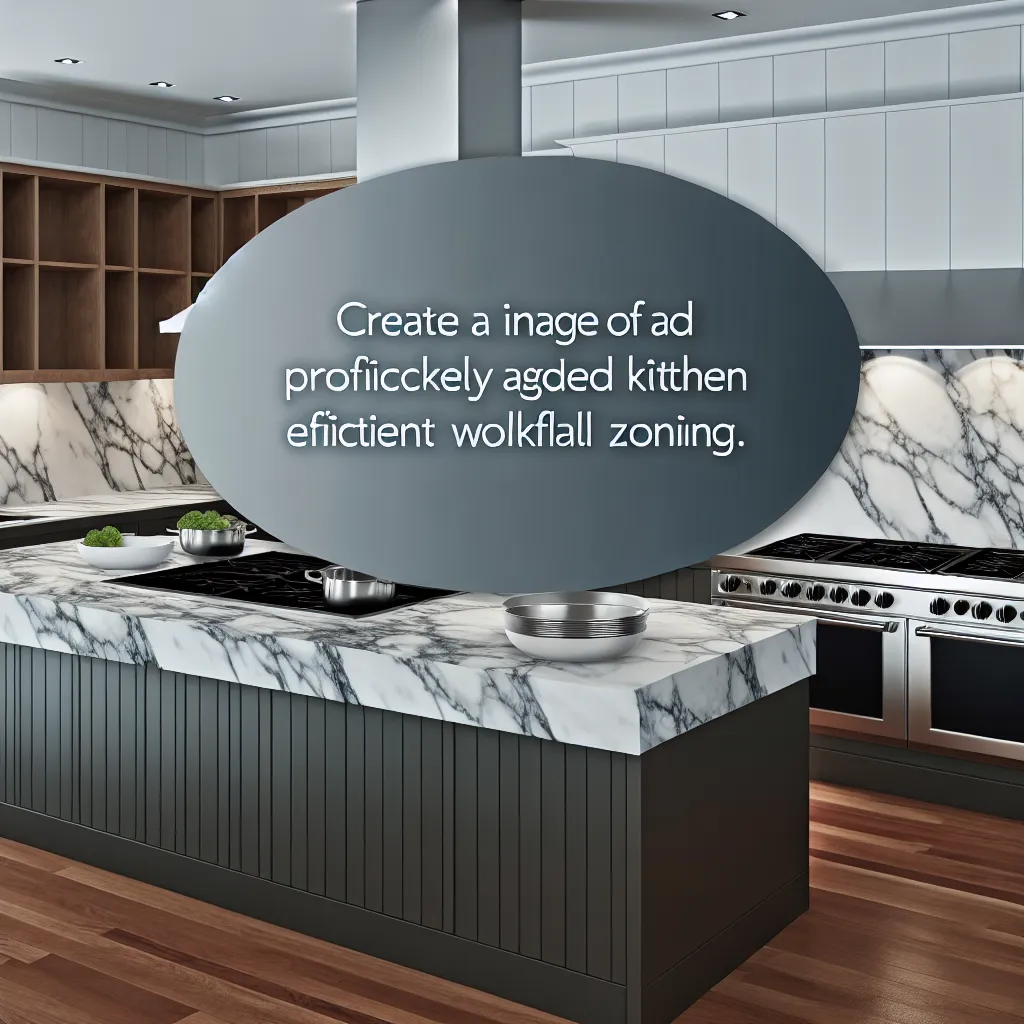
Professional chefs don't think about kitchens as single spaces—they envision distinct zones, each optimized for specific tasks. This restaurant kitchen principle, when adapted for luxury home kitchens, creates dramatic improvements in cooking efficiency and enjoyment.
The Five Essential Zones
1. Storage & Pantry Zone
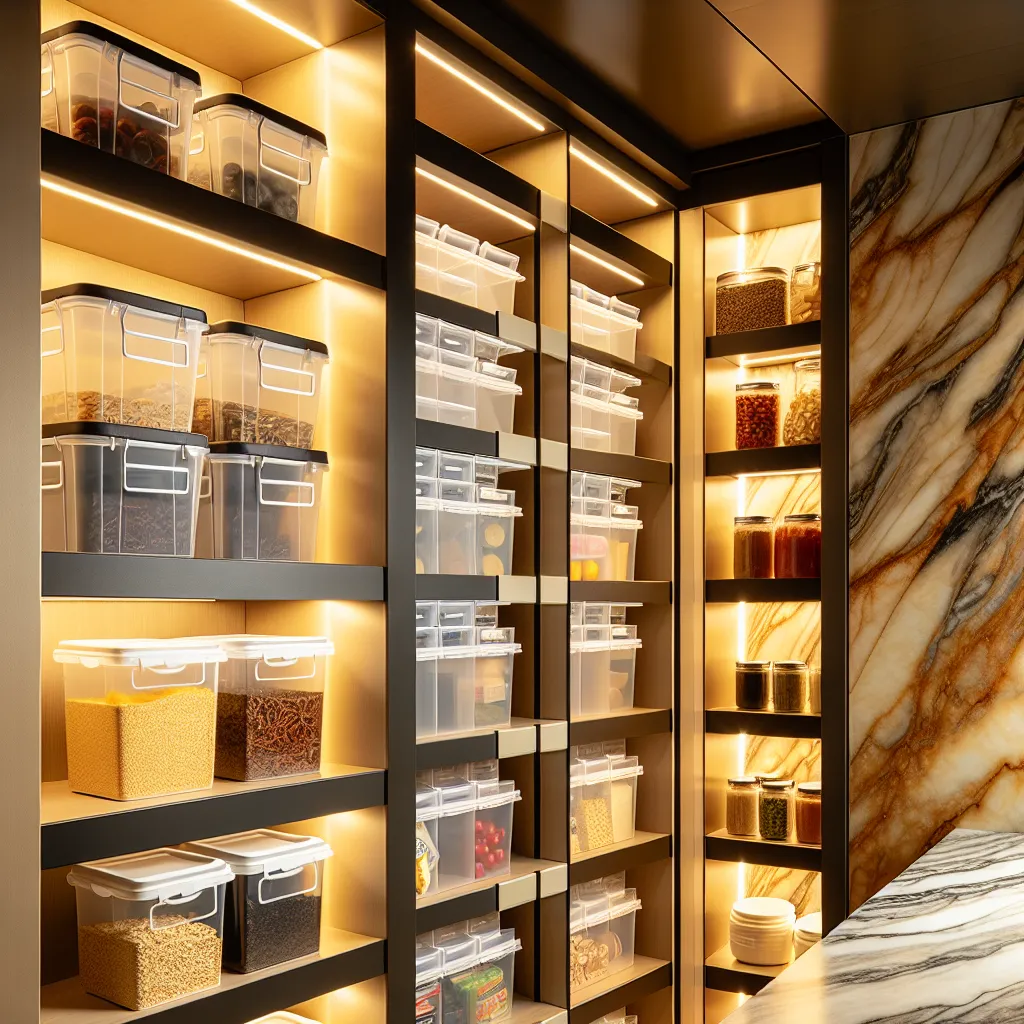
This is where dry goods, refrigerated items, and frequently used ingredients live. In professional kitchens, this zone is designed for speed—everything has its place, labels face forward, and the most-used items occupy prime real estate.
For home kitchens, we translate this into beautifully organized pantry systems with pull-out drawers, temperature-controlled compartments, and intuitive categorization that makes meal preparation faster without sacrificing aesthetic elegance.
2. Preparation Zone
The mise en place station—where ingredients are washed, chopped, and readied for cooking. This zone needs generous counter space, excellent lighting, easy access to knives and cutting boards, and proximity to both storage and waste disposal.
We typically position this zone with ample marble surface, integrated cutting board storage, and a prep sink separate from the main sink. The goal is a workspace where you can efficiently transform raw ingredients into cooking-ready components.
3. Cooking Zone
The heart of kitchen activity, centered around your range or cooktop. This zone requires immediate access to cooking oils, frequently used spices, cooking utensils, and pot storage. Professional kitchens keep everything within arm's reach of the stove.
In luxury home design, we create this efficiency while maintaining visual refinement—custom drawer dividers for utensils, elegant oil dispensers, spice storage that's both accessible and organized, and pot storage that can accommodate premium cookware collections.
4. Cleaning Zone
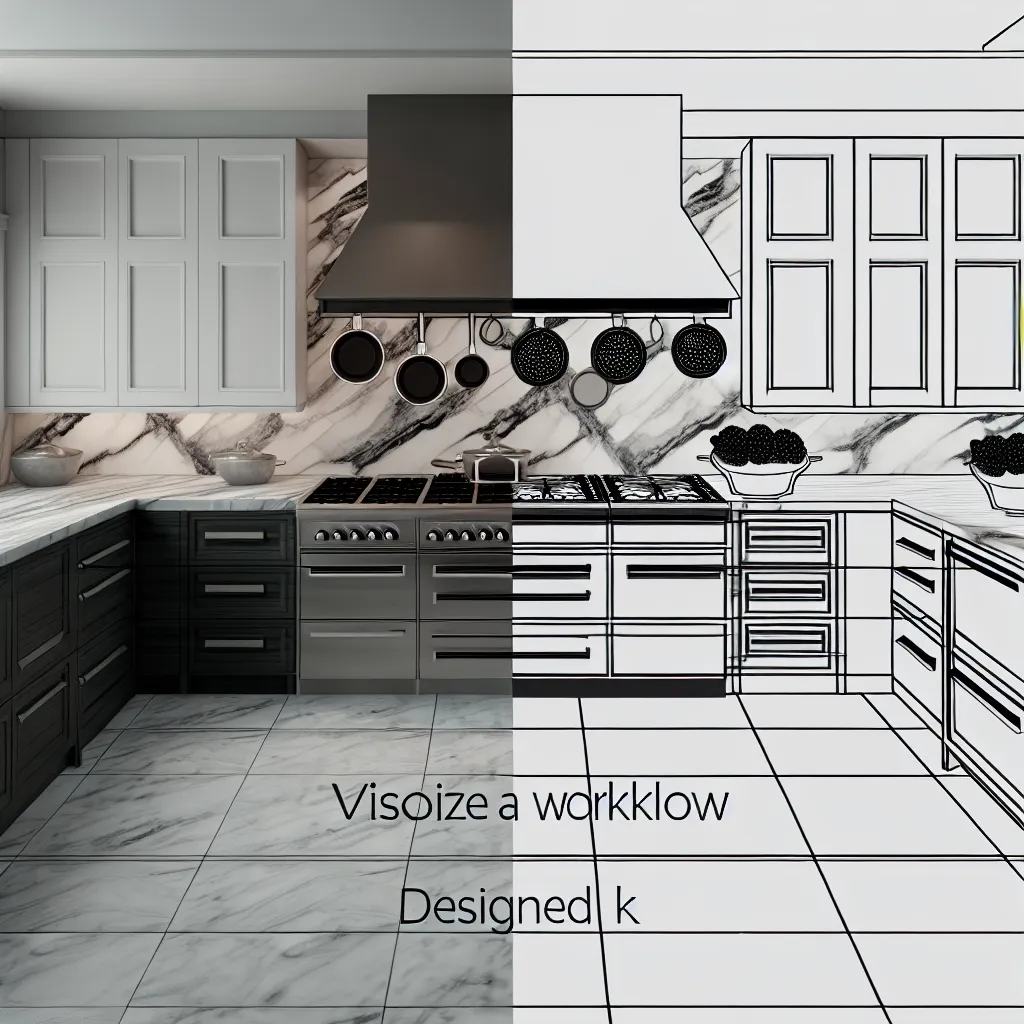
More than just the sink, this is where dishes, pots, and prep tools are washed, dried, and returned to storage. Efficient design includes the main sink, dishwasher, drying rack or area, and cleaning supply storage all within easy reach.
We often recommend dual sinks when space allows—one for food preparation, one for cleanup—preventing bottlenecks when multiple people cook together. This zone should have the workflow of its own, with logical movement from dirty to clean to stored.
5. Serving & Plating Zone
Often overlooked in home kitchens but essential for enjoying cooking and entertaining. This zone needs counter space for plating, easy access to serving pieces and tableware, and logical proximity to both the cooking zone and the dining area.
We design this as a transitional space where culinary creation becomes hospitality—often featuring marble surfaces ideal for food presentation, storage for fine tableware, and sometimes a pass-through or elegant serving counter.
The Critical Factor: Zone Relationships
Individual zone design matters, but the relationships between zones determine overall kitchen efficiency. Professional kitchens obsess over this—it's why restaurant layouts feel so different from typical home kitchens.
The classic work triangle (sink-stove-refrigerator) remains relevant, but we think beyond it to consider the full sequence of cooking tasks:
- Storage to Preparation: Short, unobstructed path
- Preparation to Cooking: Adjacent or very close positioning
- Cooking to Plating: Minimal movement with dedicated landing space
- Everywhere to Cleaning: Accessible from all zones without crossing traffic paths
Adapting to Your Cooking Style
No two cooks work identically, which is why cookie-cutter zoning fails. We begin every project by understanding how you actually cook:
- Do you prep everything before you start cooking, or prep as you go?
- Do you regularly cook multiple dishes simultaneously?
- How often do you bake versus stovetop cooking?
- Do you entertain frequently, sometimes needing multiple cooks in the kitchen?
These questions inform zone sizing and positioning. A passionate baker needs expanded prep surface with marble for pastry work. Someone who regularly hosts dinner parties needs extra-generous plating space and possibly a second cleanup zone.
Visual Zoning Through Materials
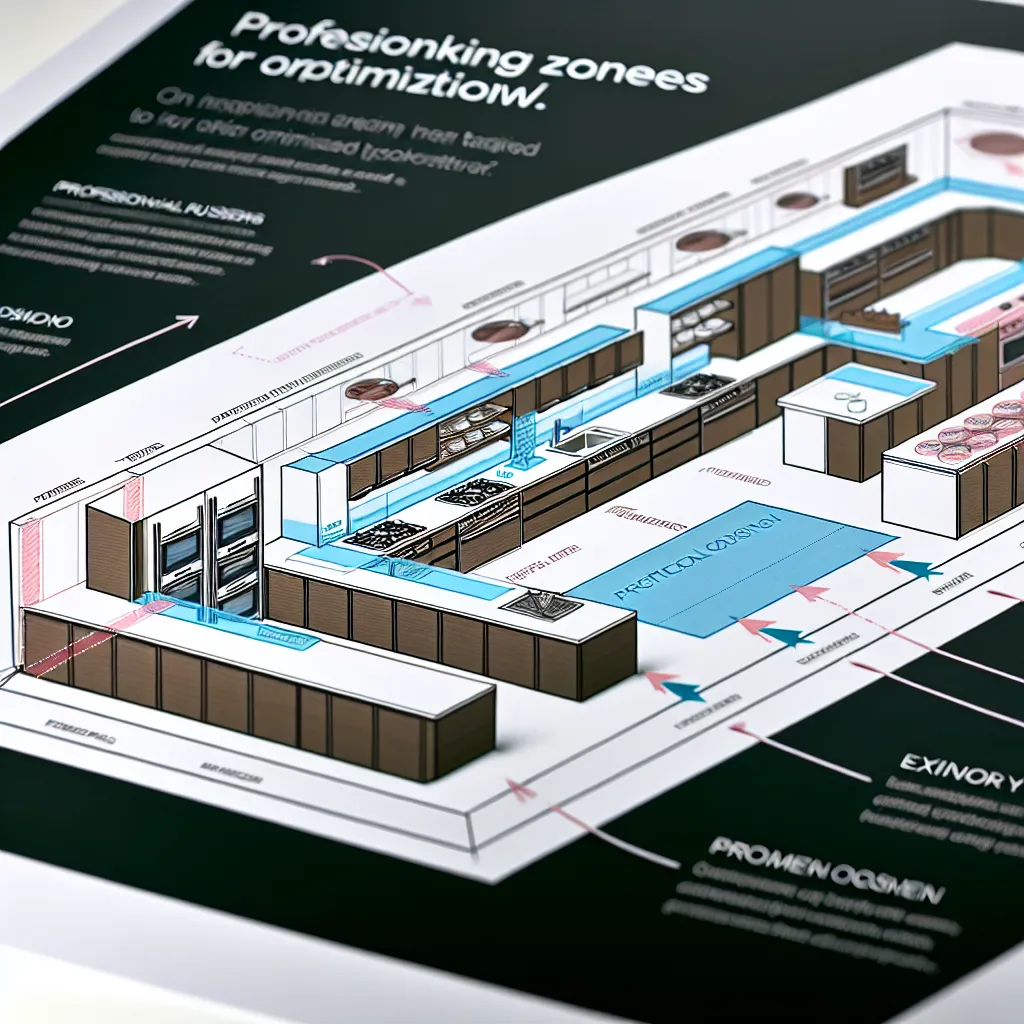
In luxury kitchens, zones can be subtly reinforced through material choices. We might use:
- Polished marble for prep surfaces where you want cool, smooth workspace
- Honed or leathered stone near cooking zones where heat resistance matters
- Oak cabinetry with varying grain directions to visually distinguish areas
- Lighting changes—brighter task lighting at prep and cooking zones, softer ambient lighting in serving areas
These material transitions create visual interest while supporting functional zoning—beauty and utility reinforcing each other.
Common Zoning Mistakes
Insufficient Landing Space: Every zone needs surface area to set things down. A common error is beautiful design that leaves nowhere to rest a cutting board or hot pan.
Crossing Traffic Patterns: When the path from storage to cooking crosses the cleanup zone, you create collision points. We design to minimize zone crossings.
Isolated Refrigerators: Placing the refrigerator far from prep and cooking zones creates unnecessary walking. Storage should be the starting point of your workflow, not an afterthought.
Overlooking the Cleanup Reality: Post-meal cleanup often involves more movement than cooking itself. Inadequate cleanup zones make even beautiful kitchens frustrating in daily use.
Implementation Strategies
Effective zoning doesn't always require construction. Sometimes it's achieved through:
- Reorganizing existing storage to create proper zones
- Adding mobile islands that define preparation areas
- Installing task lighting that emphasizes different zones
- Creating organizational systems that support zonal function
However, when renovation is possible, strategic zoning decisions during design create transformative improvements that mere organization cannot achieve.
The Result: Effortless Cooking
Properly zoned kitchens feel almost magical in use—tools appear exactly where you need them, movement feels natural, and cooking becomes less about logistics and more about creativity. This is the difference between working in your kitchen and having your kitchen work with you.
Whether you're preparing a quick weeknight dinner or hosting a complex multi-course meal, effective zoning ensures your kitchen enhances rather than hinders your culinary ambitions.